
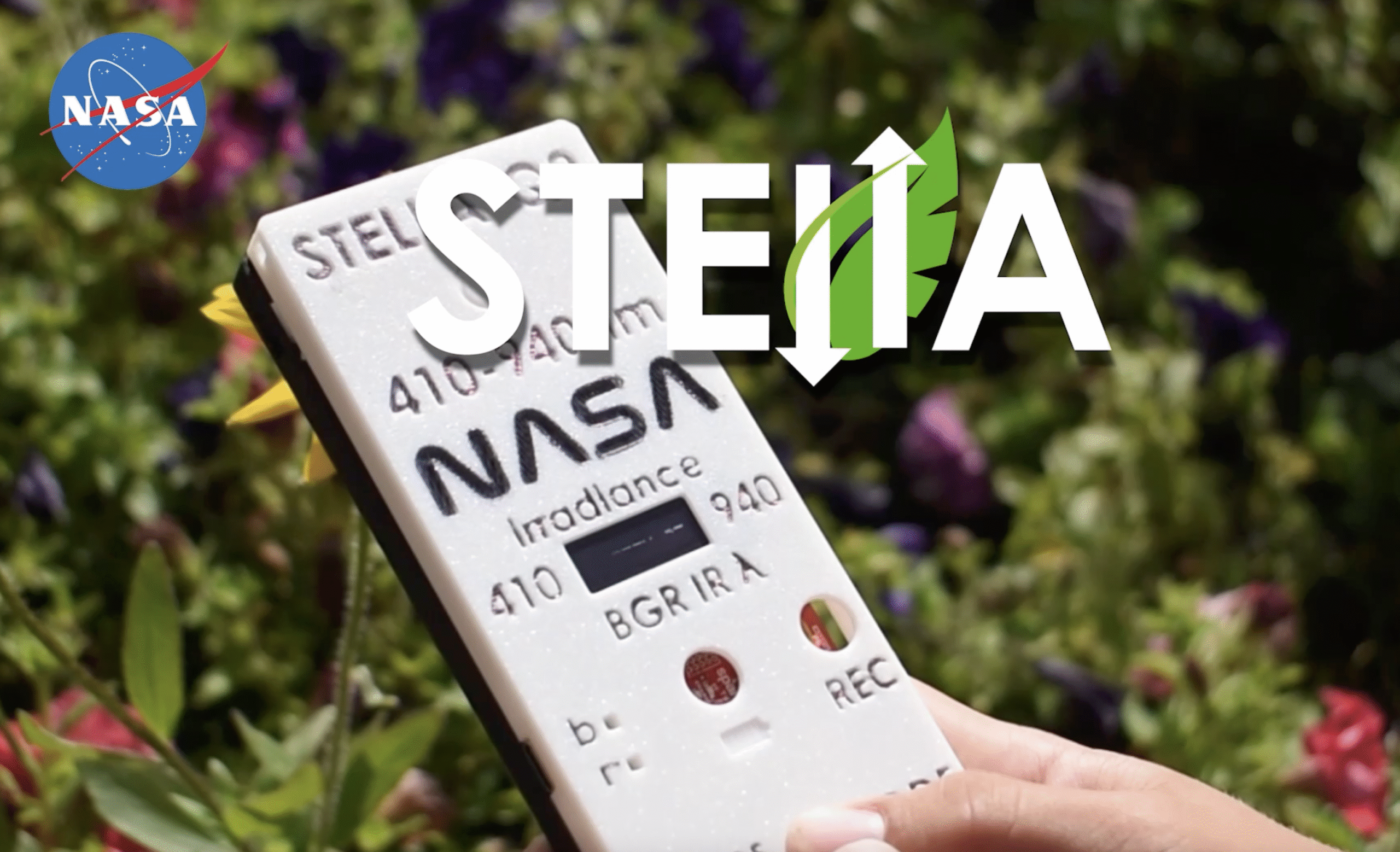
A group of high school students in Michigan is rebuilding NASA's open source STELLA-Q2 spectrometer to help monitor coral health in the Dominican Republic. What started as a classroom exercise became personal the moment they saw real coral bleaching on screen. Since then, they've redesigned hardware, debugged their own code, and learned to work the way professional engineers do, one failure and fix at a time. This is a story about what happens when students are given a real problem and trusted to solve it.
A group of high school students in Michigan is rebuilding NASA's open source STELLA-Q2 spectrometer to help monitor coral health in the Dominican Republic. What started as a classroom exercise became personal the moment they saw real coral bleaching on screen. Since then, they've redesigned hardware, debugged their own code, and learned to work the way professional engineers do, one failure and fix at a time. This is a story about what happens when students are given a real problem and trusted to solve it.

Deploying STELLA: Field Notes from the Morven Campaign
STELLA field team measured Morven's fields alongside NASA drone and G-LiHT surveys to calibrate the low cost, open source spectrometer, while training the next generation of field scientists.
Read More >>
Engineer and Scientist: Learning Remote Sensing With STELLA
Arizona State University undergraduate Ahadu Assegued spent a year asking a practical question about Earth observation: how do the spectral readings from STELLA, a low-cost open-source spectrometer developed at NASA's Goddard Space Flight Center, compare with those from research-grade hyperspectral imaging and satellite data?
Read More >>
From Desert Flowers to Future Frontiers: How Three UCSB Students Put NASA’s STELLA-Q2 to the Test
Three UC Santa Barbara students field-tested NASA's $200 STELLA-Q2 spectrometer against a high-end industry standard in the Anza-Borrego Desert. Their hands-on project validated the affordable, open-source tool's potential for environmental monitoring while providing invaluable real-world experience in remote sensing and instrument calibration.
Read More >>
There Will Be More of Us: Rachel Stagner on STELLA, ARSET & Growing a NASA Mission-Literate Workforce
Rachel Stagner is STEM Coordinator and science educator at Templeton Academy in Washington, D.C. has developed a thoughtful, practical approach to bringing NASA science into the classroom.
Read More >>
STELLA-1.2 Official Launch: Earth Science Workforce Development
NASA scientists and engineers at Goddard Space Flight Center, led by Paul Mirel and Mike Taylor, have officially launched STELLA-1.2 (Science and Technology Education for Land/Life Assessment), a modular remote sensing platform that makes Earth observation science more approachable while building the next generation of mission-literate professionals.
Read More >>
NASA Acres Supports STELLA Workshop at American University
NASA's Science and Technology Education for Land/Life Assessment (STELLA) initiative organized a hands-on workshop for middle and high school teachers at American University focused on advancing remote sensing skills and STEM workforce development.
Read More >>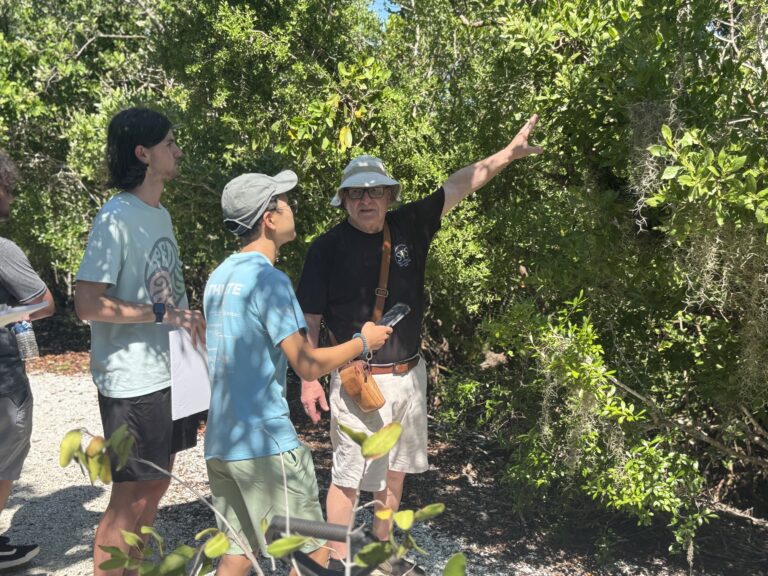
Building Tomorrow’s Earth Science Workforce, One Spectrum at a Time
COASTWISE (Community Observations and Analysis using Spectroscopic Techniques and Wetlands Imaging to foster Stewardship of the Environment) -making Earth observation science accessible for twenty students are building spectrometers, collecting data from wetland plants, and discovering a career landscape they never knew existed.
Read More >>
University of Toledo Students to Launch NASA-Inspired Satellite to Monitor Lake Erie Algal Blooms
University of Toledo graduate and undergraduate students who are part of the Mission EARTH NASA Science Activation funded project, in collaboration with three high schools, are preparing to launch a satellite into space as part of the Dream Big Project, an initiative funded through Near Space Launch and the Don Wood Foundation.
Read More >>
Students Build AI-Powered Drone for Earth Observation | NASA SEES Internship Journey
Four high school students leveraged STELLA's accessible design, supportive community, and educational philosophy to build a sophisticated environmental monitoring platform.
Read More >>
From Orbit to Earth: Agricultural Workforce Development using Real-Time Spectrometry
At Garden City Community College in Kansas, Assistant Professor Elisa Mai integrated STELLA spectrometers into her Technology in Agriculture course during fall 2025.
Read More >>
NASA SEES Students Showcase EarthLens-STELLA Integration at AGU 2025
NASA STEM Enhancement in Earth Sciences (SEES) interns Nandini Khaneja, Neev Tamboli, Samuel Bawden, and Jordan Rodriguez, part of the SEES Earth System Explorers Team, demonstrating exceptional technical achievement in developing a drone-and-app system that addresses limitations in existing citizen science tools.
Read More >>
STELLA Paper Published on STELLA Technology’s Impact on Remote Sensing Access and Workforce Development
NASA scientists and engineers, in collaboration with university researchers, have developed low‐cost lightweight remote sensing instruments that anyone can build and use to bring remote sensing science to communities beyond traditional professional scientists.
Read More >>
STELLA at AGU 2025 MacGyver Session
The poster demonstrated how NASA Goddard Space Flight Center scientists have created affordable (~$200) instruments that teach the same fundamental remote sensing principles used in advanced satellites.
Read More >>
Garden City Community College Completes Pilot Course with NASA Acres
Garden City Community College (GCCC) in Garden City, Kansas has successfully concluded the first offering of Technology in Agriculture (AGRO-111), a course developed in collaboration with NASA Acres and Kansas State University and launched in Fall 2025.
Read More >>
STELLA at AGU 2025 Education Session
The poster showcased how this cross-sector collaboration has successfully co-designed affordable DIY instruments (~$200/unit) that enable students to collect data similar to NASA satellites while developing workforce-relevant technical skills.
Read More >>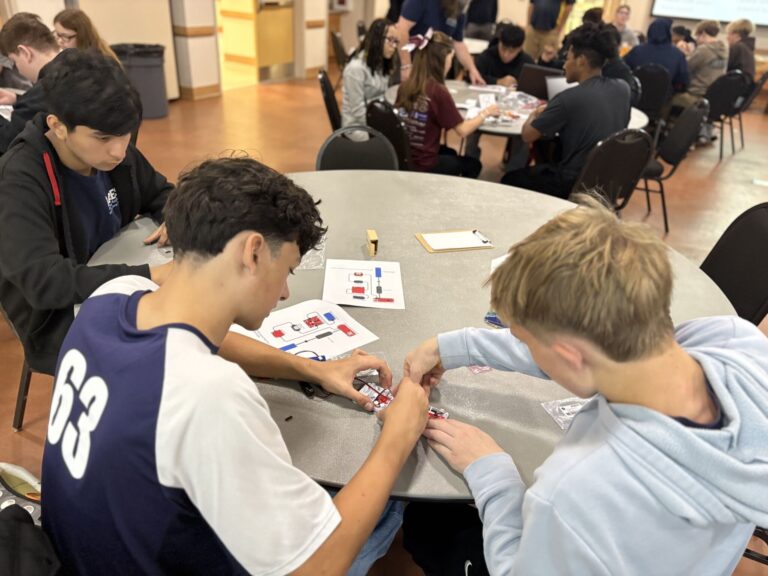
AAES Brings NASA’s STELLA Remote Sensing to Virginia’s Eastern Shore
The Aerospace Academy of the Eastern Shore (AAES)—a STEM-focused lab school led by Old Dominion University is expanding hands-on aerospace learning through remote sensing using NASA’s STELLA (Science and Technology Education for Land/Life Assessment) instruments.
Read More >>
Petya in the Field
Watch Dr. Petya Campbell, a NASA Goddard research scientist with over 20 years of field experience, demonstrate how ground-based STELLA spectrometer measurements directly support NASA satellite missions by validating Earth observation data.
Read More >>
Student Voices: Real Engineering Success with STELLA Instruments
When Inna and Alexa first encountered NASA's STELLA instruments, neither expected the transformative journey ahead—from intimidation to innovation in just 10 weeks.
Read More >>
Deploying STELLA: Field Notes from the Morven Campaign
STELLA field team measured Morven's fields alongside NASA drone and G-LiHT surveys to calibrate the low cost, open source spectrometer, while training the next generation of field scientists.
Read More >>
Engineer and Scientist: Learning Remote Sensing With STELLA
Arizona State University undergraduate Ahadu Assegued spent a year asking a practical question about Earth observation: how do the spectral readings from STELLA, a low-cost open-source spectrometer developed at NASA's Goddard Space Flight Center, compare with those from research-grade hyperspectral imaging and satellite data?
Read More >>
From Desert Flowers to Future Frontiers: How Three UCSB Students Put NASA’s STELLA-Q2 to the Test
Three UC Santa Barbara students field-tested NASA's $200 STELLA-Q2 spectrometer against a high-end industry standard in the Anza-Borrego Desert. Their hands-on project validated the affordable, open-source tool's potential for environmental monitoring while providing invaluable real-world experience in remote sensing and instrument calibration.
Read More >>
There Will Be More of Us: Rachel Stagner on STELLA, ARSET & Growing a NASA Mission-Literate Workforce
Rachel Stagner is STEM Coordinator and science educator at Templeton Academy in Washington, D.C. has developed a thoughtful, practical approach to bringing NASA science into the classroom.
Read More >>
STELLA-1.2 Official Launch: Earth Science Workforce Development
NASA scientists and engineers at Goddard Space Flight Center, led by Paul Mirel and Mike Taylor, have officially launched STELLA-1.2 (Science and Technology Education for Land/Life Assessment), a modular remote sensing platform that makes Earth observation science more approachable while building the next generation of mission-literate professionals.
Read More >>
NASA Acres Supports STELLA Workshop at American University
NASA's Science and Technology Education for Land/Life Assessment (STELLA) initiative organized a hands-on workshop for middle and high school teachers at American University focused on advancing remote sensing skills and STEM workforce development.
Read More >>
Building Tomorrow’s Earth Science Workforce, One Spectrum at a Time
COASTWISE (Community Observations and Analysis using Spectroscopic Techniques and Wetlands Imaging to foster Stewardship of the Environment) -making Earth observation science accessible for twenty students are building spectrometers, collecting data from wetland plants, and discovering a career landscape they never knew existed.
Read More >>
University of Toledo Students to Launch NASA-Inspired Satellite to Monitor Lake Erie Algal Blooms
University of Toledo graduate and undergraduate students who are part of the Mission EARTH NASA Science Activation funded project, in collaboration with three high schools, are preparing to launch a satellite into space as part of the Dream Big Project, an initiative funded through Near Space Launch and the Don Wood Foundation.
Read More >>
Students Build AI-Powered Drone for Earth Observation | NASA SEES Internship Journey
Four high school students leveraged STELLA's accessible design, supportive community, and educational philosophy to build a sophisticated environmental monitoring platform.
Read More >>
From Orbit to Earth: Agricultural Workforce Development using Real-Time Spectrometry
At Garden City Community College in Kansas, Assistant Professor Elisa Mai integrated STELLA spectrometers into her Technology in Agriculture course during fall 2025.
Read More >>
NASA SEES Students Showcase EarthLens-STELLA Integration at AGU 2025
NASA STEM Enhancement in Earth Sciences (SEES) interns Nandini Khaneja, Neev Tamboli, Samuel Bawden, and Jordan Rodriguez, part of the SEES Earth System Explorers Team, demonstrating exceptional technical achievement in developing a drone-and-app system that addresses limitations in existing citizen science tools.
Read More >>
STELLA Paper Published on STELLA Technology’s Impact on Remote Sensing Access and Workforce Development
NASA scientists and engineers, in collaboration with university researchers, have developed low‐cost lightweight remote sensing instruments that anyone can build and use to bring remote sensing science to communities beyond traditional professional scientists.
Read More >>
STELLA at AGU 2025 MacGyver Session
The poster demonstrated how NASA Goddard Space Flight Center scientists have created affordable (~$200) instruments that teach the same fundamental remote sensing principles used in advanced satellites.
Read More >>
Garden City Community College Completes Pilot Course with NASA Acres
Garden City Community College (GCCC) in Garden City, Kansas has successfully concluded the first offering of Technology in Agriculture (AGRO-111), a course developed in collaboration with NASA Acres and Kansas State University and launched in Fall 2025.
Read More >>
STELLA at AGU 2025 Education Session
The poster showcased how this cross-sector collaboration has successfully co-designed affordable DIY instruments (~$200/unit) that enable students to collect data similar to NASA satellites while developing workforce-relevant technical skills.
Read More >>
AAES Brings NASA’s STELLA Remote Sensing to Virginia’s Eastern Shore
The Aerospace Academy of the Eastern Shore (AAES)—a STEM-focused lab school led by Old Dominion University is expanding hands-on aerospace learning through remote sensing using NASA’s STELLA (Science and Technology Education for Land/Life Assessment) instruments.
Read More >>
Petya in the Field
Watch Dr. Petya Campbell, a NASA Goddard research scientist with over 20 years of field experience, demonstrate how ground-based STELLA spectrometer measurements directly support NASA satellite missions by validating Earth observation data.
Read More >>
Student Voices: Real Engineering Success with STELLA Instruments
When Inna and Alexa first encountered NASA's STELLA instruments, neither expected the transformative journey ahead—from intimidation to innovation in just 10 weeks.
Read More >> A group of high school students in Michigan is rebuilding NASA's open source STELLA-Q2 spectrometer to help monitor coral health in the Dominican Republic. What started as a classroom exercise became personal the moment they saw real coral bleaching on screen. Since then, they've redesigned hardware, debugged their own code, and learned to work the way professional engineers do, one failure and fix at a time. This is a story about what happens when students are given a real problem and trusted to solve it.

STELLA field team measured Morven's fields alongside NASA drone and G-LiHT surveys to calibrate the low cost, open source spectrometer, while training the next generation of field scientists.

Arizona State University undergraduate Ahadu Assegued spent a year asking a practical question about Earth observation: how do the spectral readings from STELLA, a low-cost open-source spectrometer developed at NASA's Goddard Space Flight Center, compare with those from research-grade hyperspectral imaging and satellite data?

Three UC Santa Barbara students field-tested NASA's $200 STELLA-Q2 spectrometer against a high-end industry standard in the Anza-Borrego Desert. Their hands-on project validated the affordable, open-source tool's potential for environmental monitoring while providing invaluable real-world experience in remote sensing and instrument calibration.

Rachel Stagner is STEM Coordinator and science educator at Templeton Academy in Washington, D.C. has developed a thoughtful, practical approach to bringing NASA science into the classroom.

NASA scientists and engineers at Goddard Space Flight Center, led by Paul Mirel and Mike Taylor, have officially launched STELLA-1.2 (Science and Technology Education for Land/Life Assessment), a modular remote sensing platform that makes Earth observation science more approachable while building the next generation of mission-literate professionals.
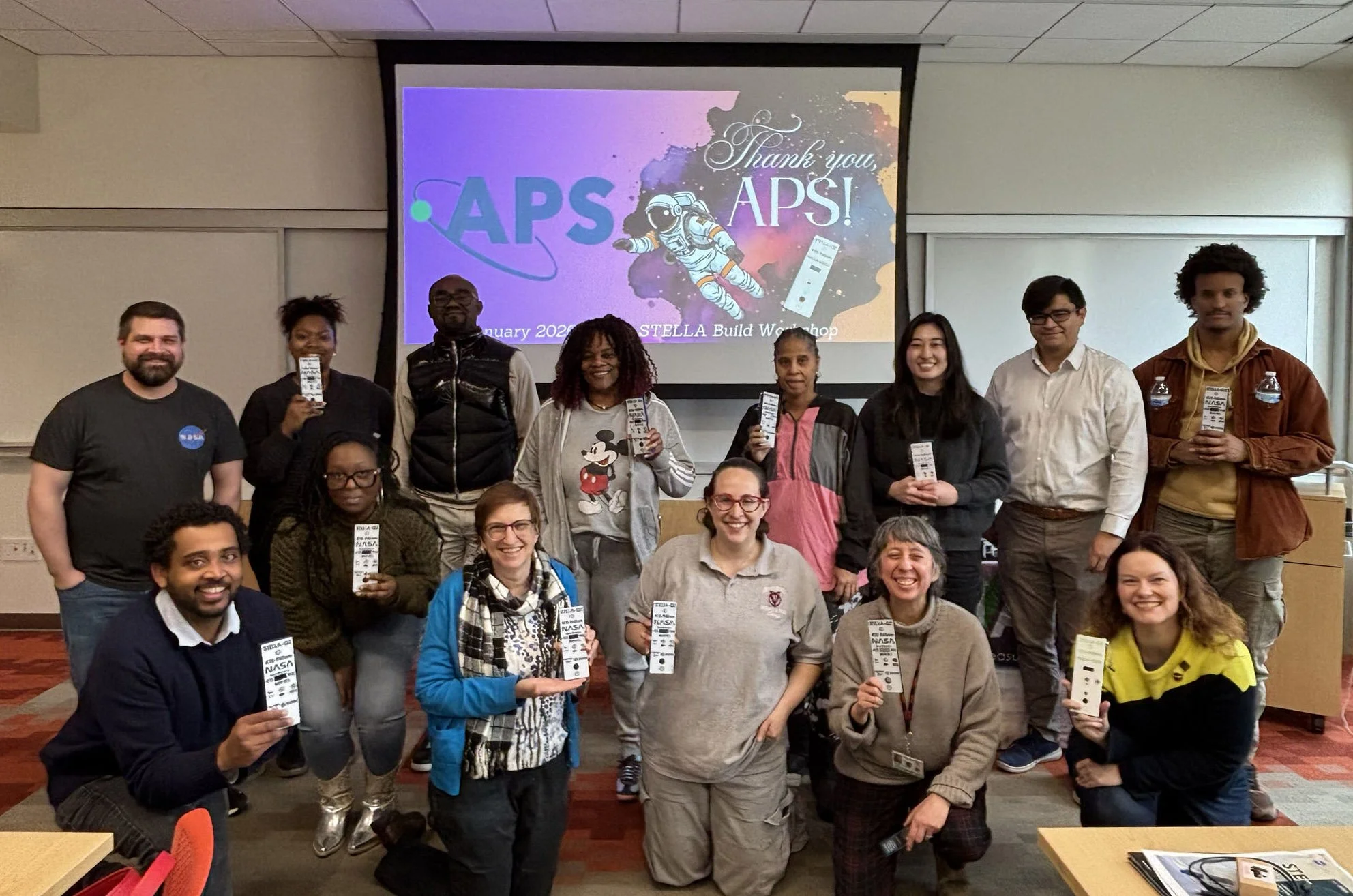
NASA's Science and Technology Education for Land/Life Assessment (STELLA) initiative organized a hands-on workshop for middle and high school teachers at American University focused on advancing remote sensing skills and STEM workforce development.

COASTWISE (Community Observations and Analysis using Spectroscopic Techniques and Wetlands Imaging to foster Stewardship of the Environment) -making Earth observation science accessible for twenty students are building spectrometers, collecting data from wetland plants, and discovering a career landscape they never knew existed.

University of Toledo graduate and undergraduate students who are part of the Mission EARTH NASA Science Activation funded project, in collaboration with three high schools, are preparing to launch a satellite into space as part of the Dream Big Project, an initiative funded through Near Space Launch and the Don Wood Foundation.

Four high school students leveraged STELLA's accessible design, supportive community, and educational philosophy to build a sophisticated environmental monitoring platform.

At Garden City Community College in Kansas, Assistant Professor Elisa Mai integrated STELLA spectrometers into her Technology in Agriculture course during fall 2025.
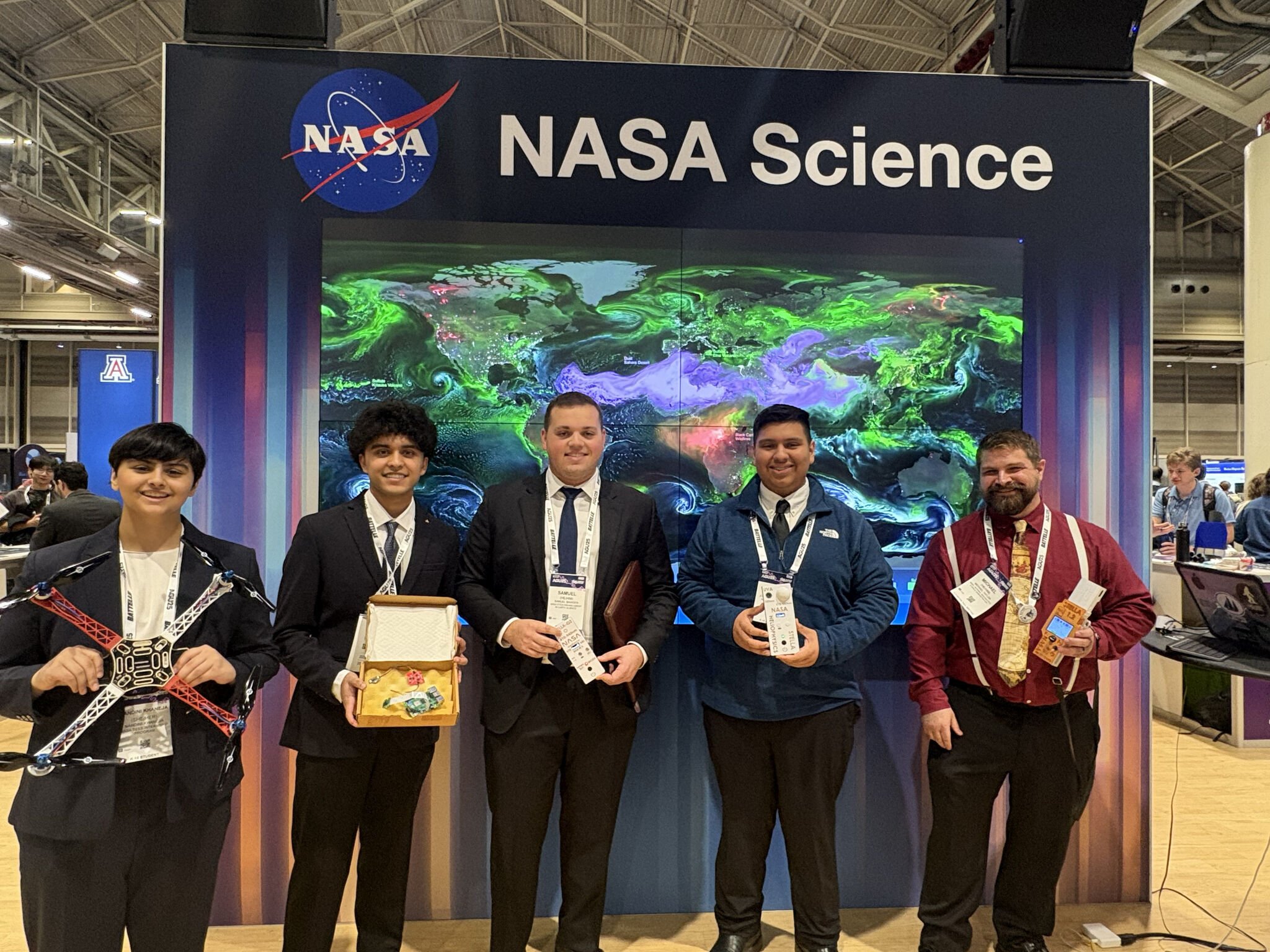
NASA STEM Enhancement in Earth Sciences (SEES) interns Nandini Khaneja, Neev Tamboli, Samuel Bawden, and Jordan Rodriguez, part of the SEES Earth System Explorers Team, demonstrating exceptional technical achievement in developing a drone-and-app system that addresses limitations in existing citizen science tools.
NASA scientists and engineers, in collaboration with university researchers, have developed low‐cost lightweight remote sensing instruments that anyone can build and use to bring remote sensing science to communities beyond traditional professional scientists.

The poster demonstrated how NASA Goddard Space Flight Center scientists have created affordable (~$200) instruments that teach the same fundamental remote sensing principles used in advanced satellites.
Garden City Community College (GCCC) in Garden City, Kansas has successfully concluded the first offering of Technology in Agriculture (AGRO-111), a course developed in collaboration with NASA Acres and Kansas State University and launched in Fall 2025.

The poster showcased how this cross-sector collaboration has successfully co-designed affordable DIY instruments (~$200/unit) that enable students to collect data similar to NASA satellites while developing workforce-relevant technical skills.
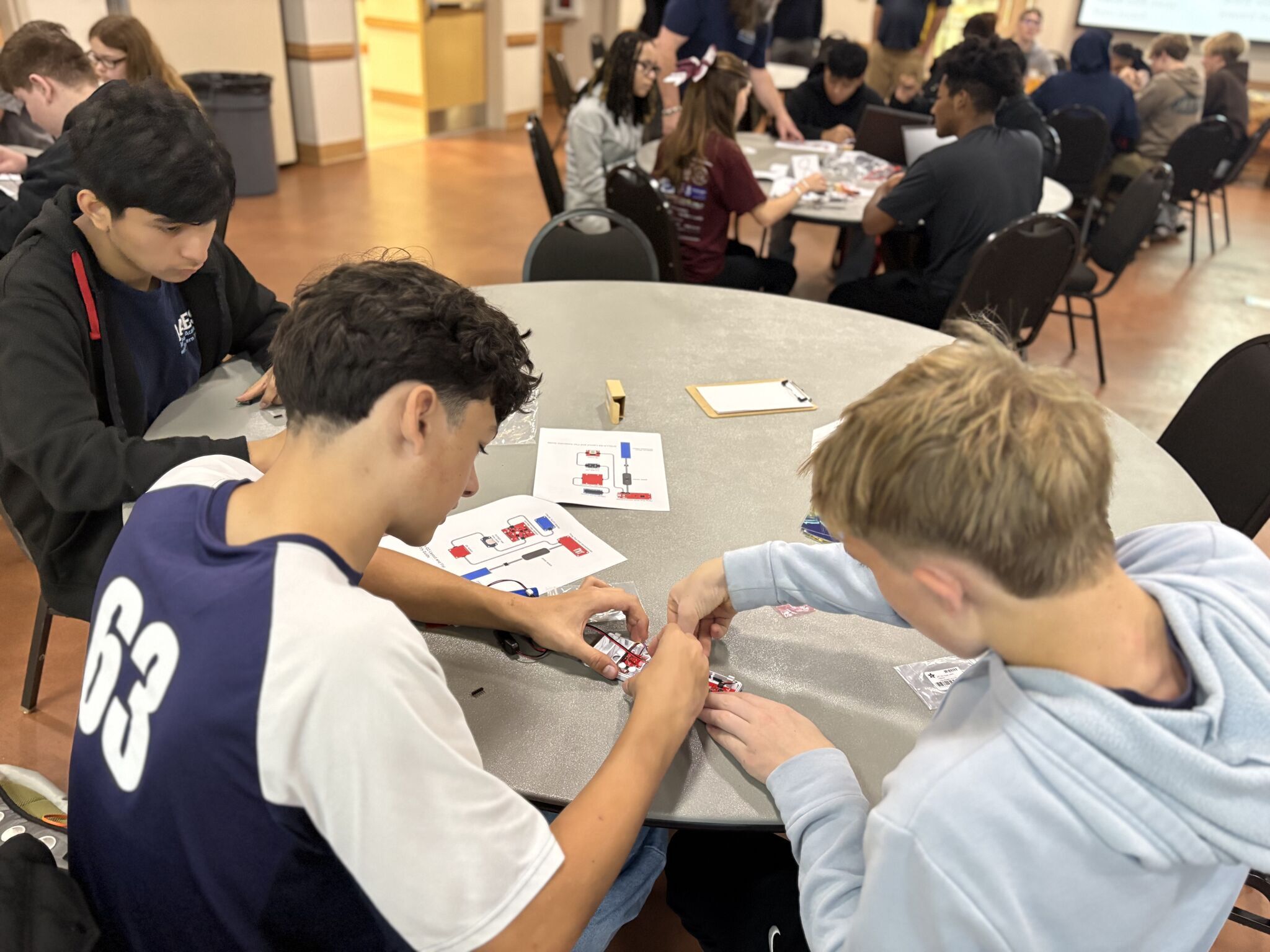
The Aerospace Academy of the Eastern Shore (AAES)—a STEM-focused lab school led by Old Dominion University is expanding hands-on aerospace learning through remote sensing using NASA’s STELLA (Science and Technology Education for Land/Life Assessment) instruments.
Watch Dr. Petya Campbell, a NASA Goddard research scientist with over 20 years of field experience, demonstrate how ground-based STELLA spectrometer measurements directly support NASA satellite missions by validating Earth observation data.
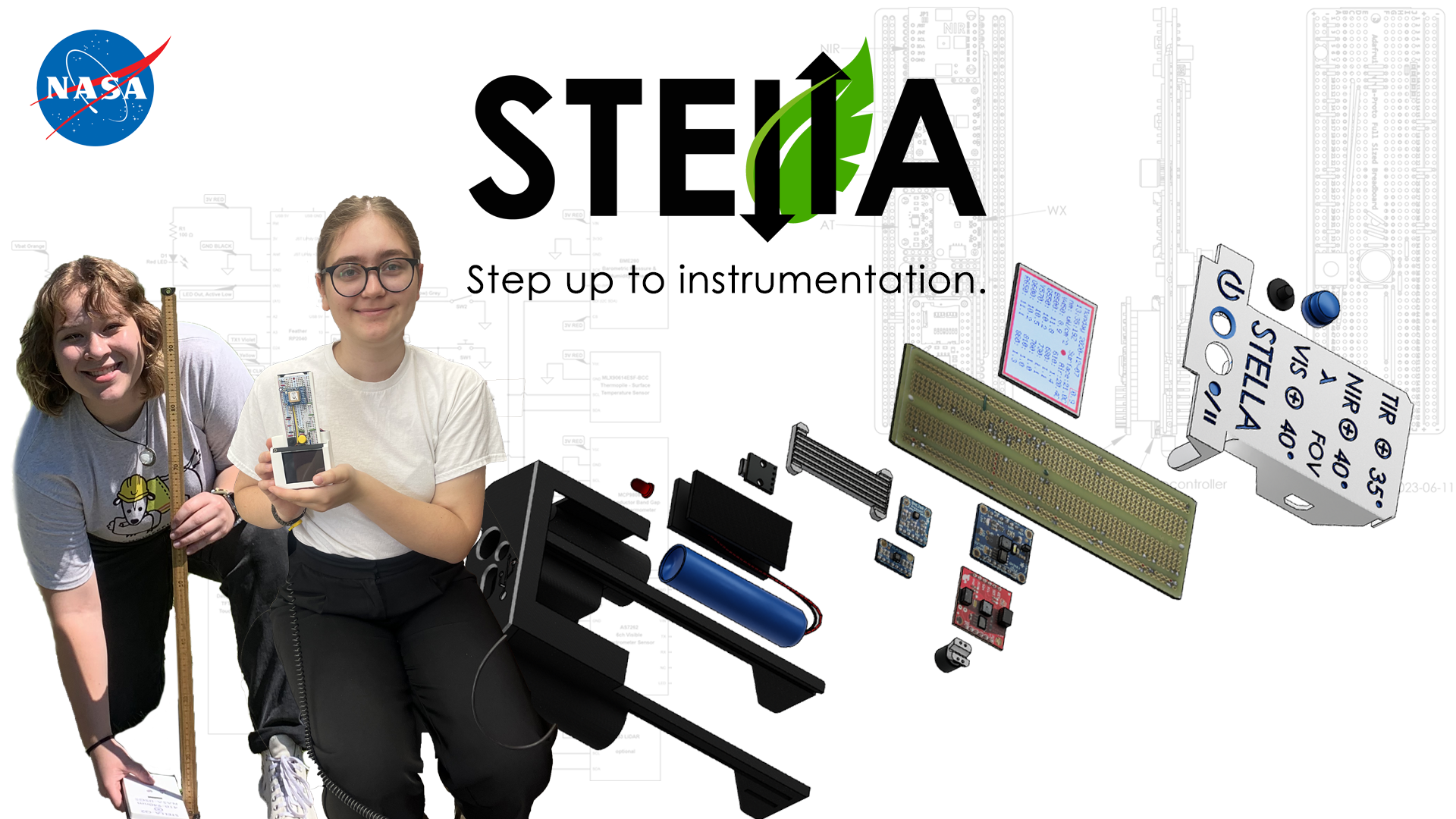
When Inna and Alexa first encountered NASA's STELLA instruments, neither expected the transformative journey ahead—from intimidation to innovation in just 10 weeks.
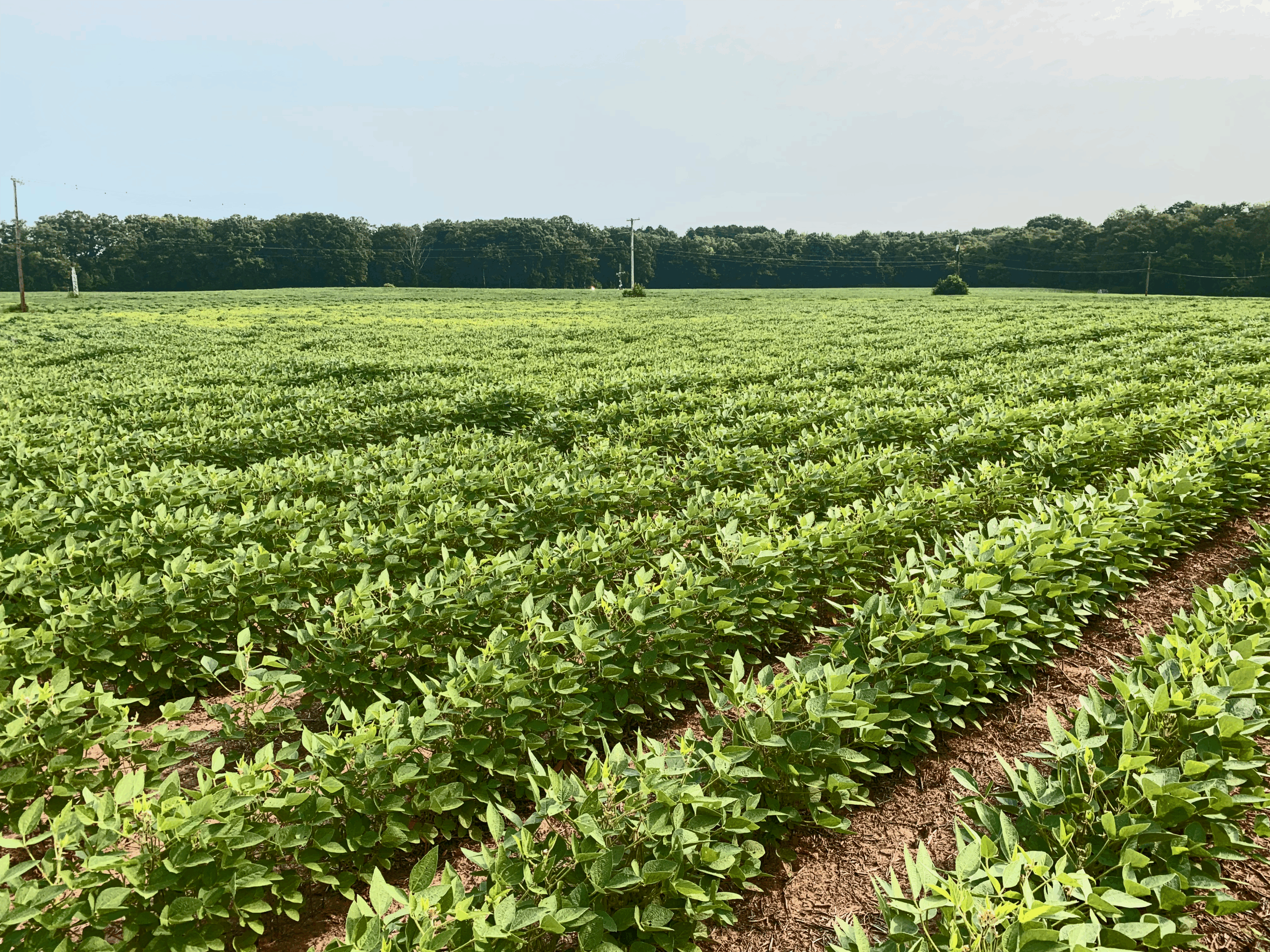
Students use Helio-STELLA to design lightweight radiation shields for Mars habitats, testing aluminum, water, and fabric barriers. Which materials block harmful UV while allowing light for plants to grow?
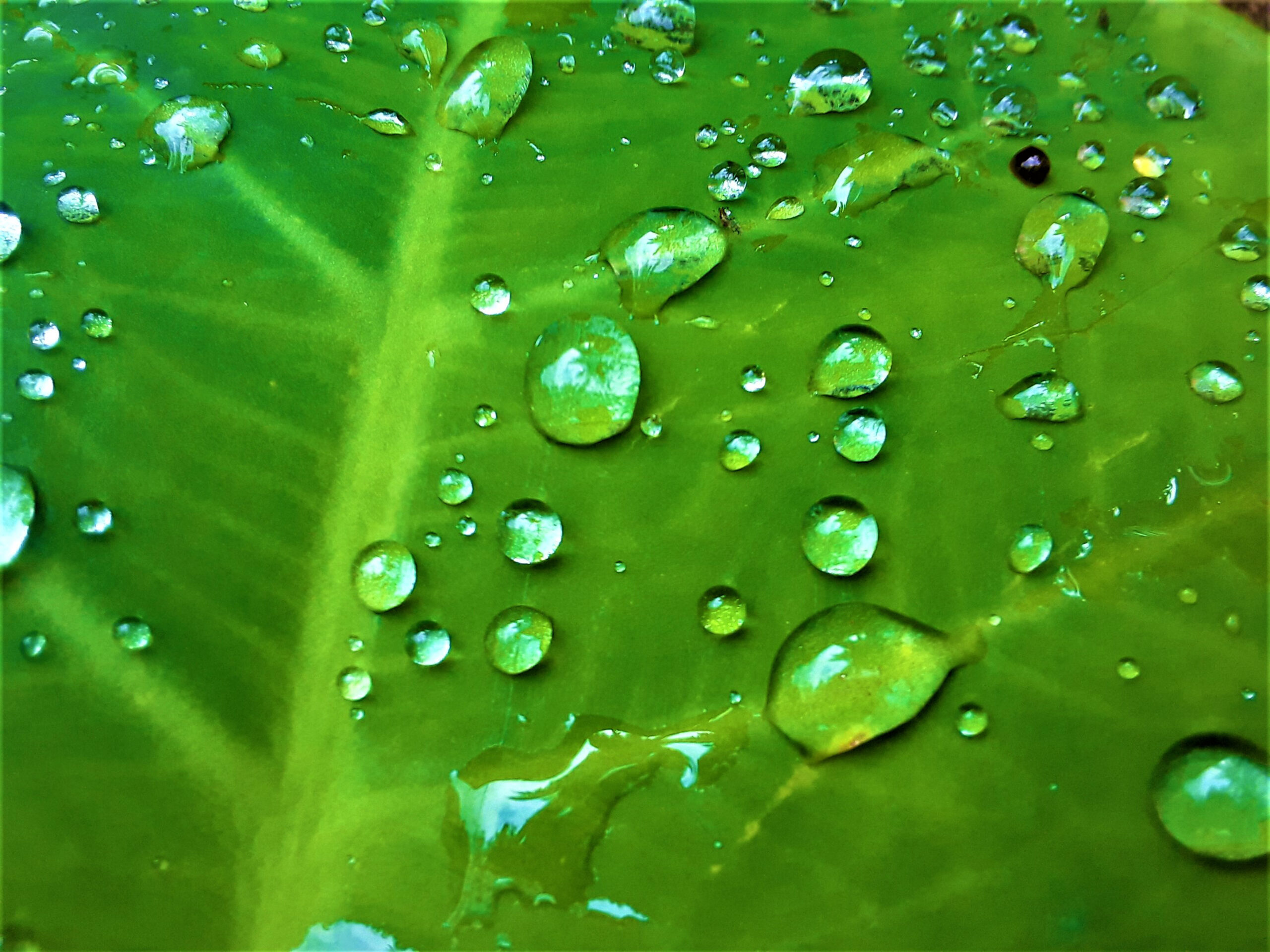
Students test common houseplants as space life-support systems using STELLA-Q2 sensors to measure CO2 consumption. With safe, affordable materials, they determine which plants produce the most oxygen for future Mars habitats.
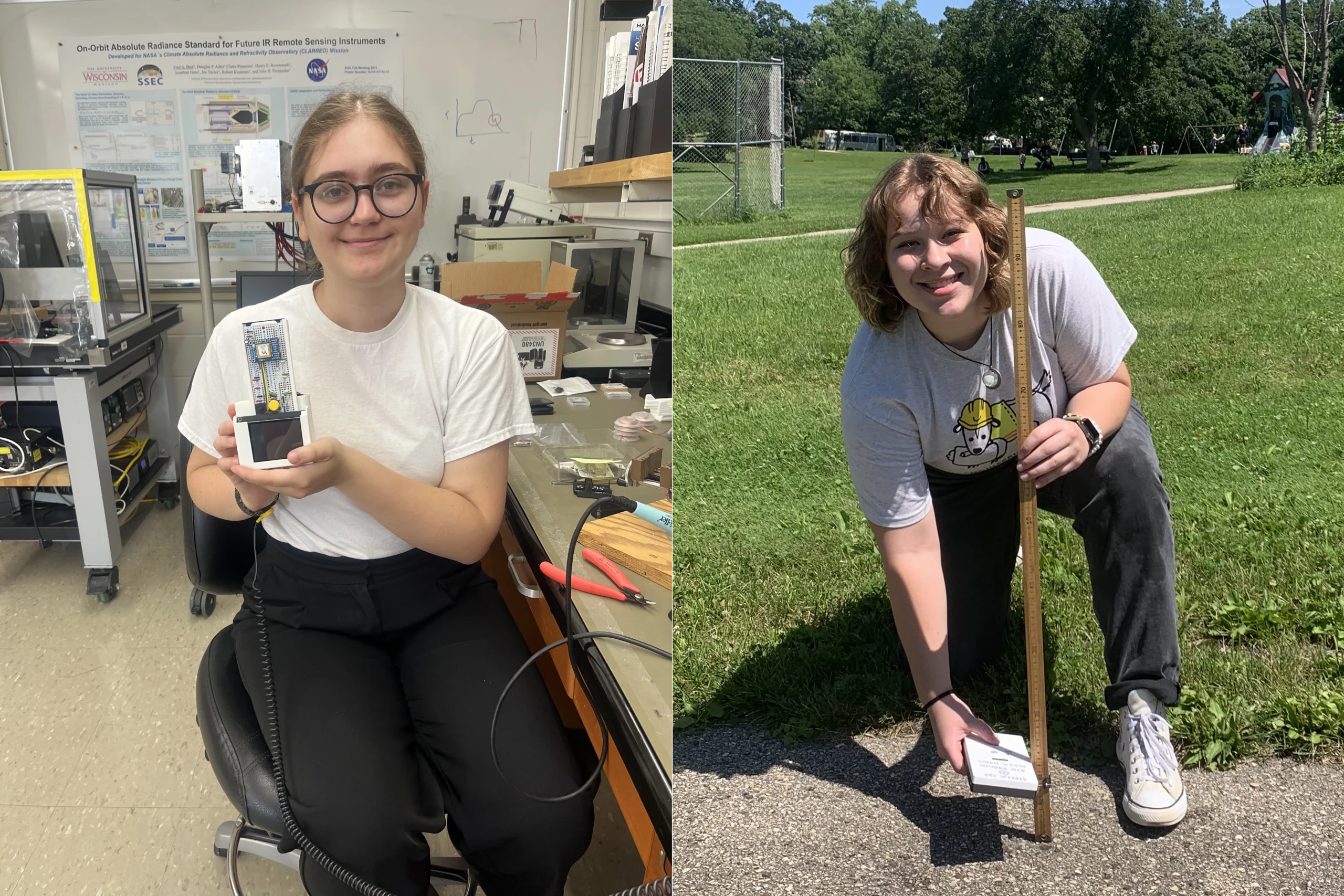
Inna Shapovalenko and Alexa Matson's collaborative journey with the STELLA project showcases how open-source engineering provides students with real-world skills through hardware design, software development, and community-driven innovation.
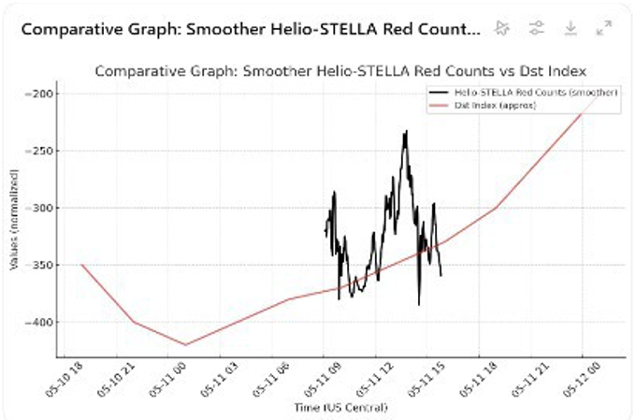
Dr. Gerald Knezek and Dr. Fred McMahan share their experiences developing and implementing Helio-STELLA, a low-cost solar monitoring device designed for educational settings.
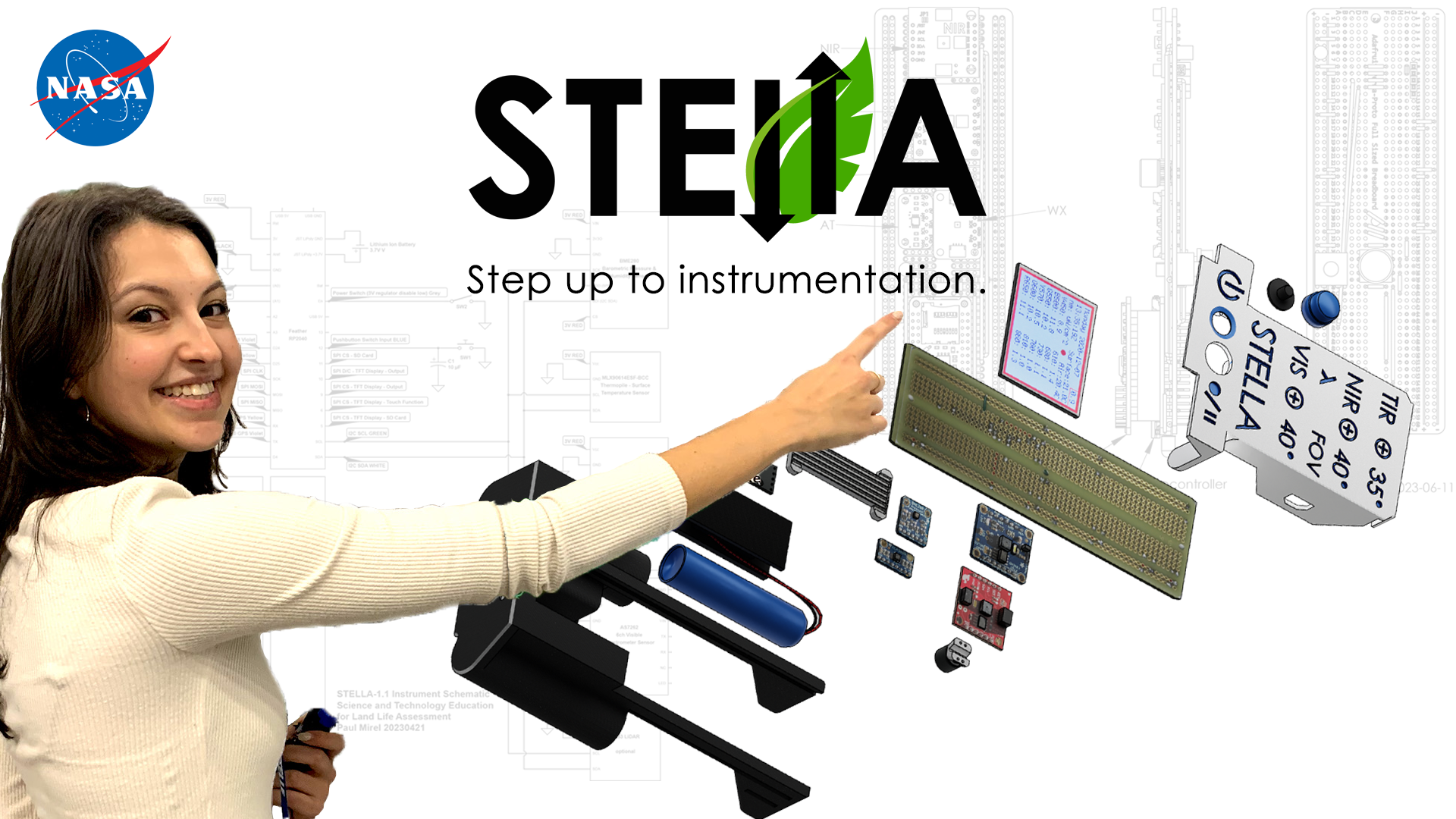
The culmination of Bianca's calibration work may be a research paper that establishes STELLA's credibility as a scientific instrument rather than just an educational tool.
Pat's extensive background in heliophysics and imaging spectrographs provided the perfect foundation for Helio-STELLA's development.