

Rachel Stagner is STEM Coordinator and science educator at Templeton Academy in Washington, D.C. has developed a thoughtful, practical approach to bringing NASA science into the classroom.

NASA scientists and engineers at Goddard Space Flight Center, led by Paul Mirel and Mike Taylor, have officially launched STELLA-1.2 (Science and Technology Education for Land/Life Assessment), a modular remote sensing platform that makes Earth observation science more approachable while building the next generation of mission-literate professionals.
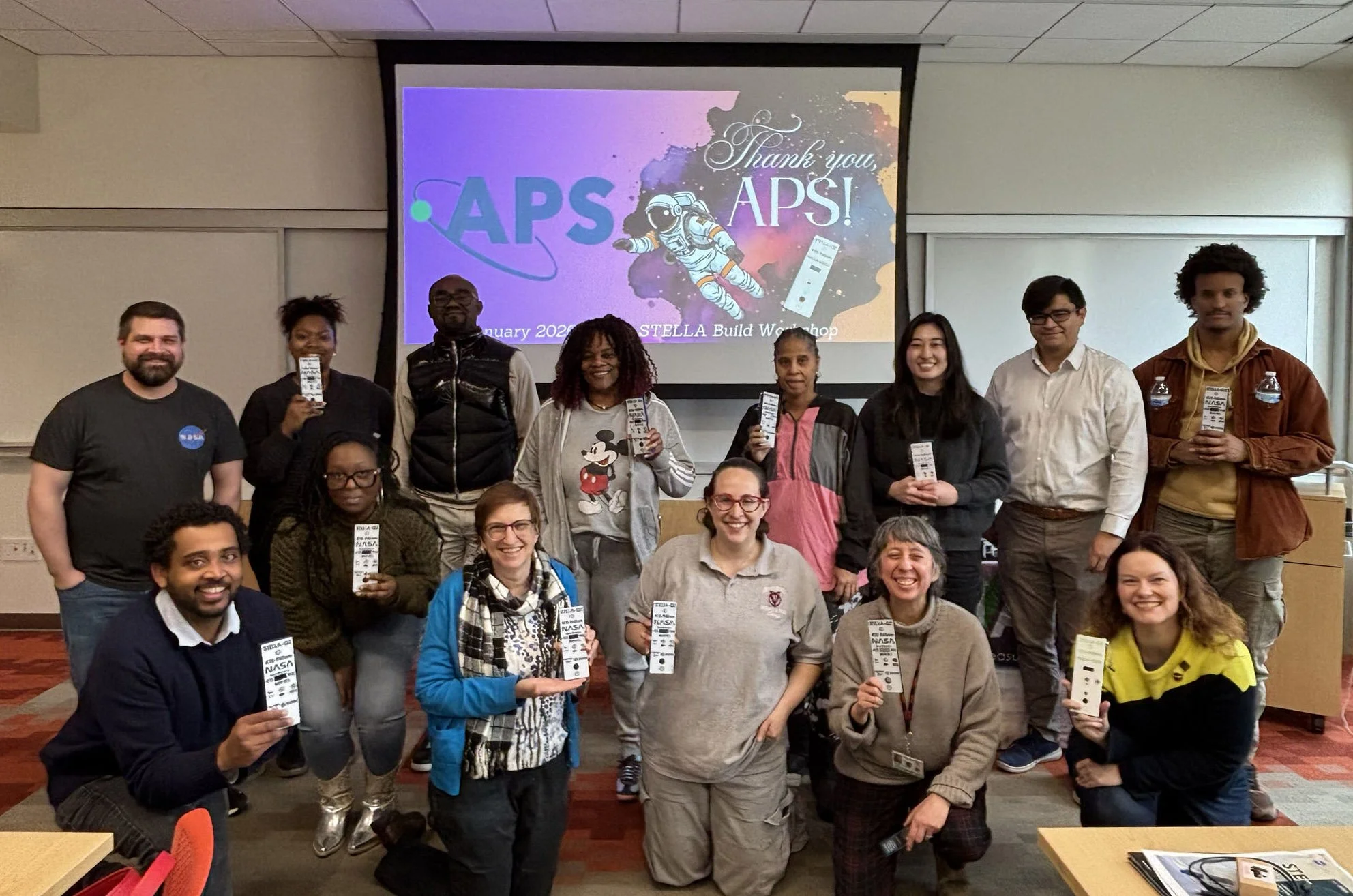
NASA's Science and Technology Education for Land/Life Assessment (STELLA) initiative organized a hands-on workshop for middle and high school teachers at American University focused on advancing remote sensing skills and STEM workforce development.

COASTWISE (Community Observations and Analysis using Spectroscopic Techniques and Wetlands Imaging to foster Stewardship of the Environment) -making Earth observation science accessible for twenty students are building spectrometers, collecting data from wetland plants, and discovering a career landscape they never knew existed.

University of Toledo graduate and undergraduate students who are part of the Mission EARTH NASA Science Activation funded project, in collaboration with three high schools, are preparing to launch a satellite into space as part of the Dream Big Project, an initiative funded through Near Space Launch and the Don Wood Foundation.

Four high school students leveraged STELLA's accessible design, supportive community, and educational philosophy to build a sophisticated environmental monitoring platform.

At Garden City Community College in Kansas, Assistant Professor Elisa Mai integrated STELLA spectrometers into her Technology in Agriculture course during fall 2025.
Rachel Stagner is STEM Coordinator and science educator at Templeton Academy in Washington, D.C. has developed a thoughtful, practical approach to bringing NASA science into the classroom.
NASA scientists and engineers at Goddard Space Flight Center, led by Paul Mirel and Mike Taylor, have officially launched STELLA-1.2 (Science and Technology Education for Land/Life Assessment), a modular remote sensing platform that makes Earth observation science more approachable while building the next generation of mission-literate professionals.
NASA's Science and Technology Education for Land/Life Assessment (STELLA) initiative organized a hands-on workshop for middle and high school teachers at American University focused on advancing remote sensing skills and STEM workforce development.
COASTWISE (Community Observations and Analysis using Spectroscopic Techniques and Wetlands Imaging to foster Stewardship of the Environment) -making Earth observation science accessible for twenty students are building spectrometers, collecting data from wetland plants, and discovering a career landscape they never knew existed.
University of Toledo graduate and undergraduate students who are part of the Mission EARTH NASA Science Activation funded project, in collaboration with three high schools, are preparing to launch a satellite into space as part of the Dream Big Project, an initiative funded through Near Space Launch and the Don Wood Foundation.
Four high school students leveraged STELLA's accessible design, supportive community, and educational philosophy to build a sophisticated environmental monitoring platform.
At Garden City Community College in Kansas, Assistant Professor Elisa Mai integrated STELLA spectrometers into her Technology in Agriculture course during fall 2025.
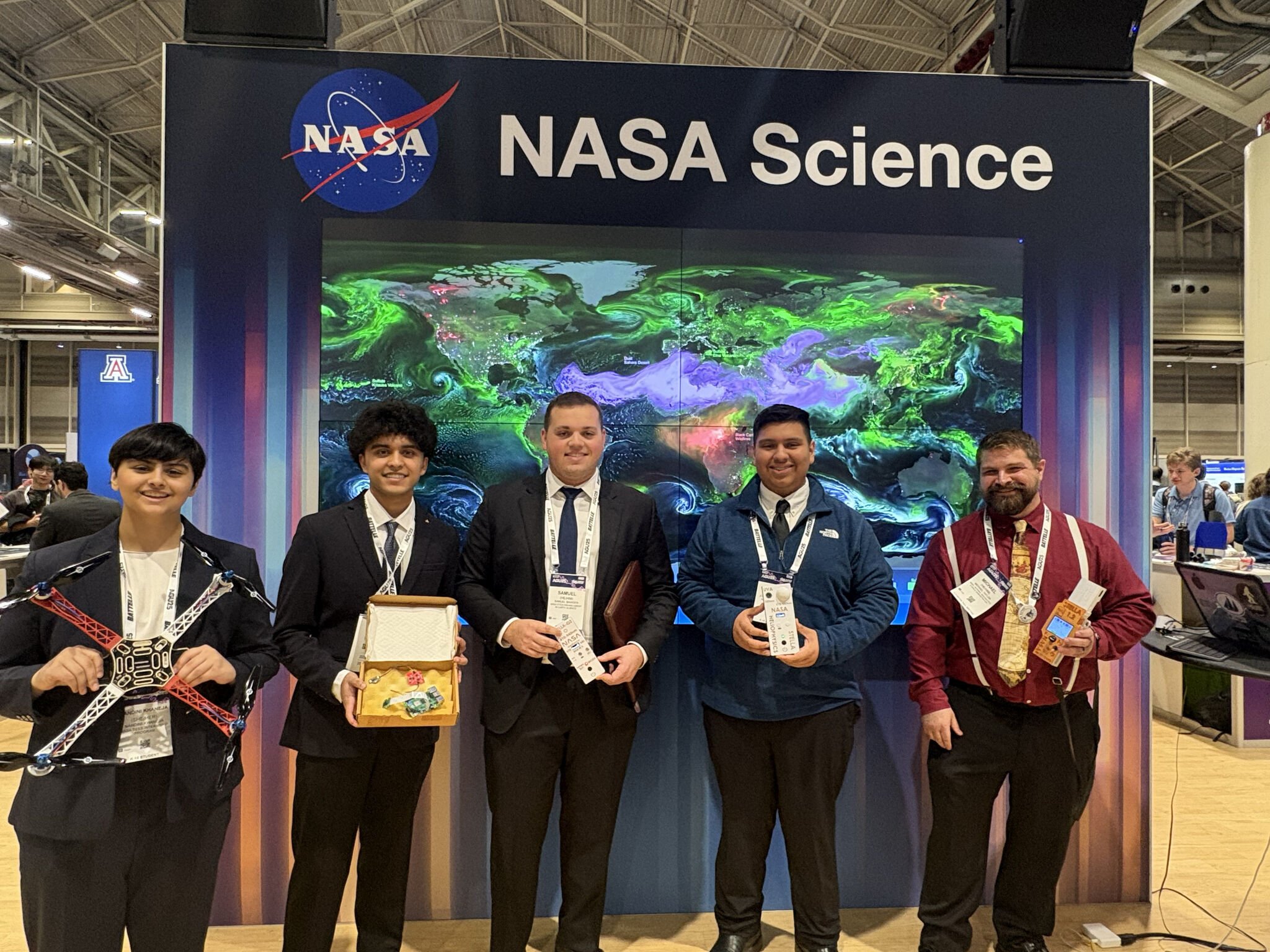
NASA STEM Enhancement in Earth Sciences (SEES) interns Nandini Khaneja, Neev Tamboli, Samuel Bawden, and Jordan Rodriguez, part of the SEES Earth System Explorers Team sponsored by NESEC and the Institute for Global Strategies presented their innovative EarthLens project at the American Geophysical Union (AGU) Fall Meeting 2025, demonstrating exceptional technical achievement in developing a drone-and-app system that addresses limitations in existing citizen science tools.

NASA scientists and engineers, in collaboration with university researchers, have developed low‐cost lightweight remote sensing instruments that anyone can build and use to bring remote sensing science to communities beyond traditional professional scientists.

The poster demonstrated how NASA Goddard Space Flight Center scientists have created affordable (~$200) instruments that teach the same fundamental remote sensing principles used in advanced satellites.