
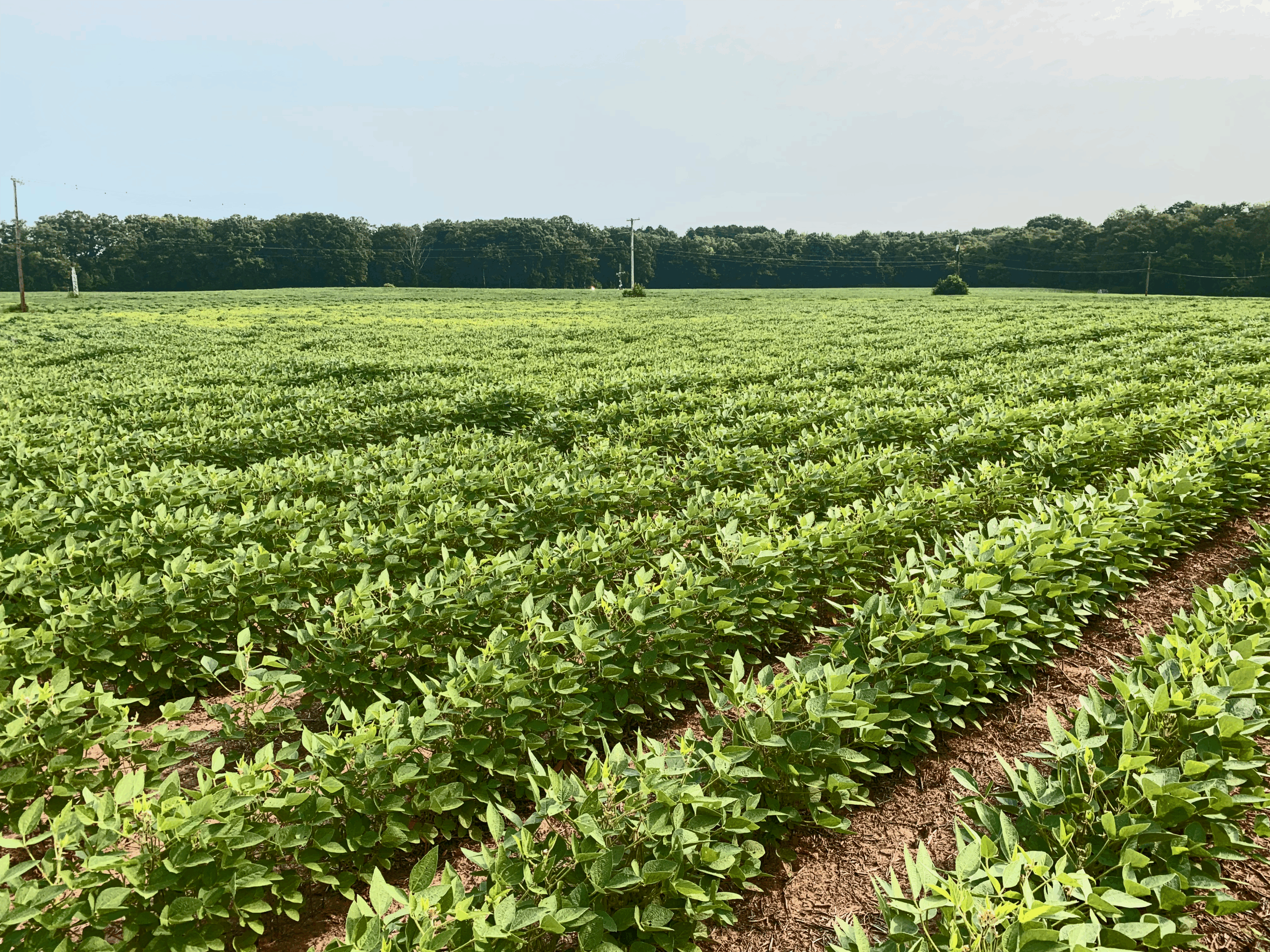
Students use Helio-STELLA to design lightweight radiation shields for Mars habitats, testing aluminum, water, and fabric barriers. Which materials block harmful UV while allowing light for plants to grow?
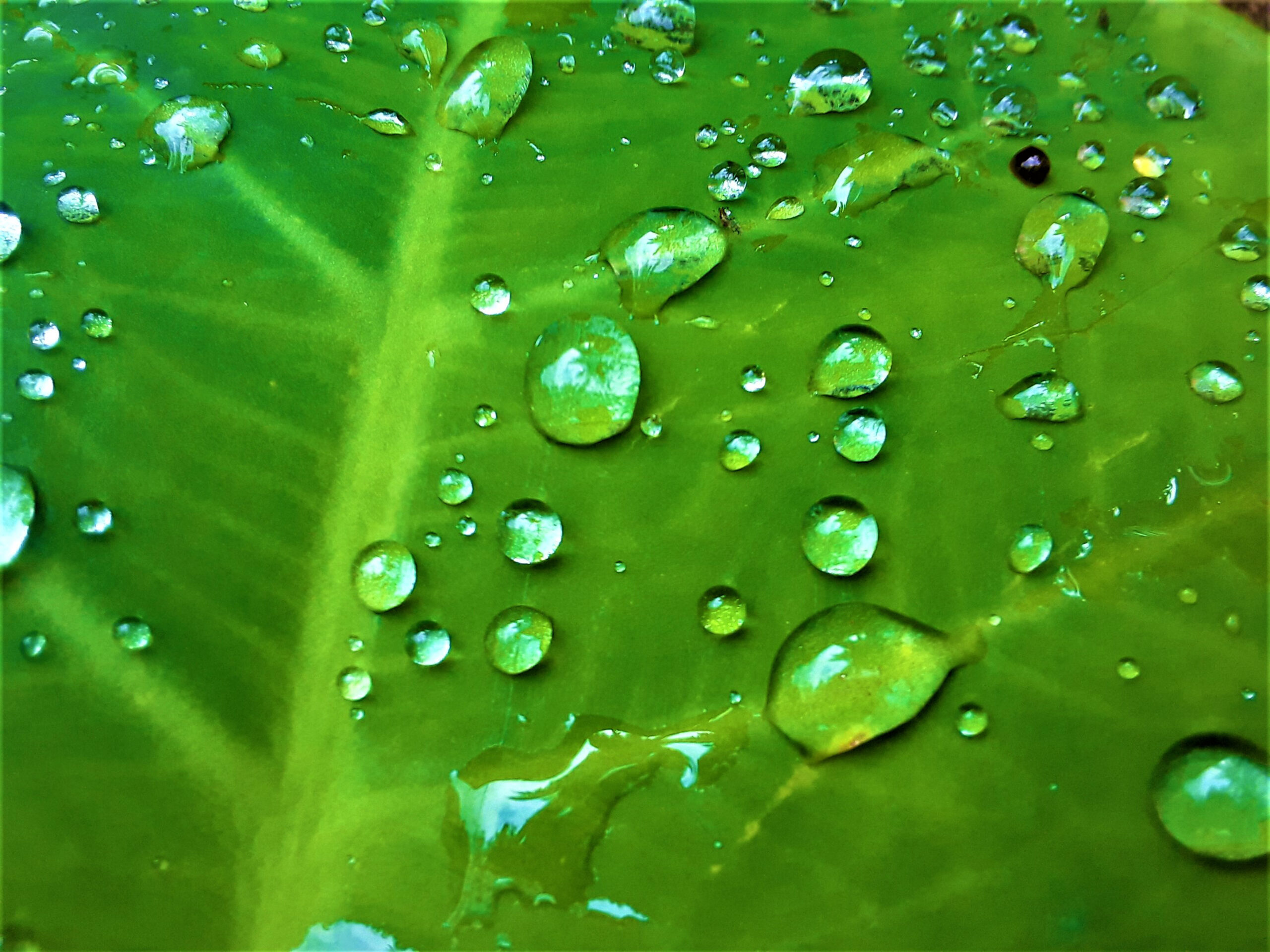
Students test common houseplants as space life-support systems using STELLA-Q2 sensors to measure CO2 consumption. With safe, affordable materials, they determine which plants produce the most oxygen for future Mars habitats.

NASA scientists and engineers at Goddard Space Flight Center, led by Paul Mirel and Mike Taylor, have officially launched STELLA-1.2 (Science and Technology Education for Land/Life Assessment), a modular remote sensing platform that makes Earth observation science more approachable while building the next generation of mission-literate professionals.
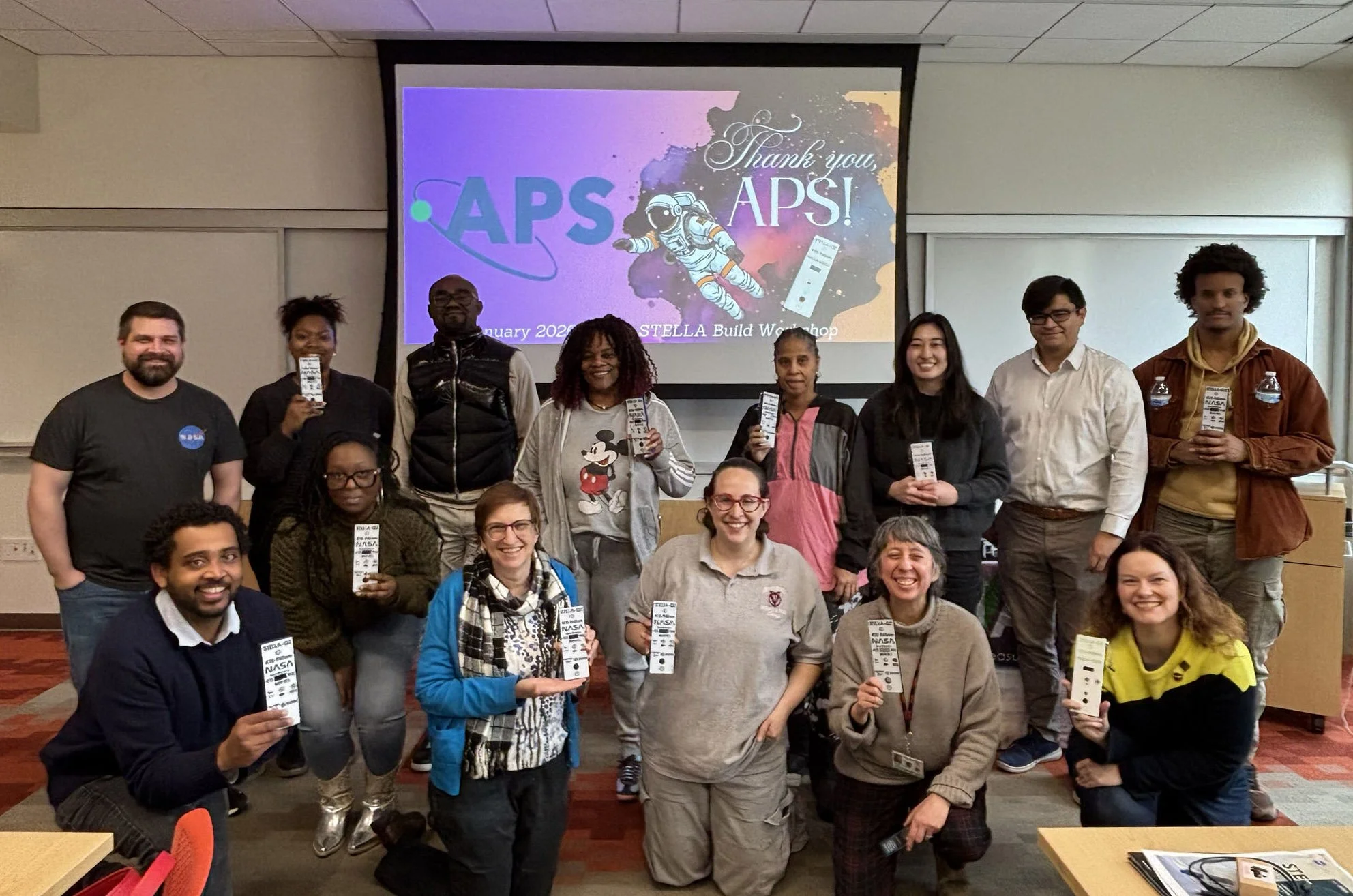
NASA's Science and Technology Education for Land/Life Assessment (STELLA) initiative organized a hands-on workshop for middle and high school teachers at American University focused on advancing remote sensing skills and STEM workforce development.

COASTWISE (Community Observations and Analysis using Spectroscopic Techniques and Wetlands Imaging to foster Stewardship of the Environment) -making Earth observation science accessible for twenty students are building spectrometers, collecting data from wetland plants, and discovering a career landscape they never knew existed.

University of Toledo graduate and undergraduate students who are part of the Mission EARTH NASA Science Activation funded project, in collaboration with three high schools, are preparing to launch a satellite into space as part of the Dream Big Project, an initiative funded through Near Space Launch and the Don Wood Foundation.

Four high school students leveraged STELLA's accessible design, supportive community, and educational philosophy to build a sophisticated environmental monitoring platform.

Watch Dr. Petya Campbell, a NASA Goddard research scientist with over 20 years of field experience, demonstrate how ground-based STELLA spectrometer measurements directly support NASA satellite missions by validating Earth observation data.
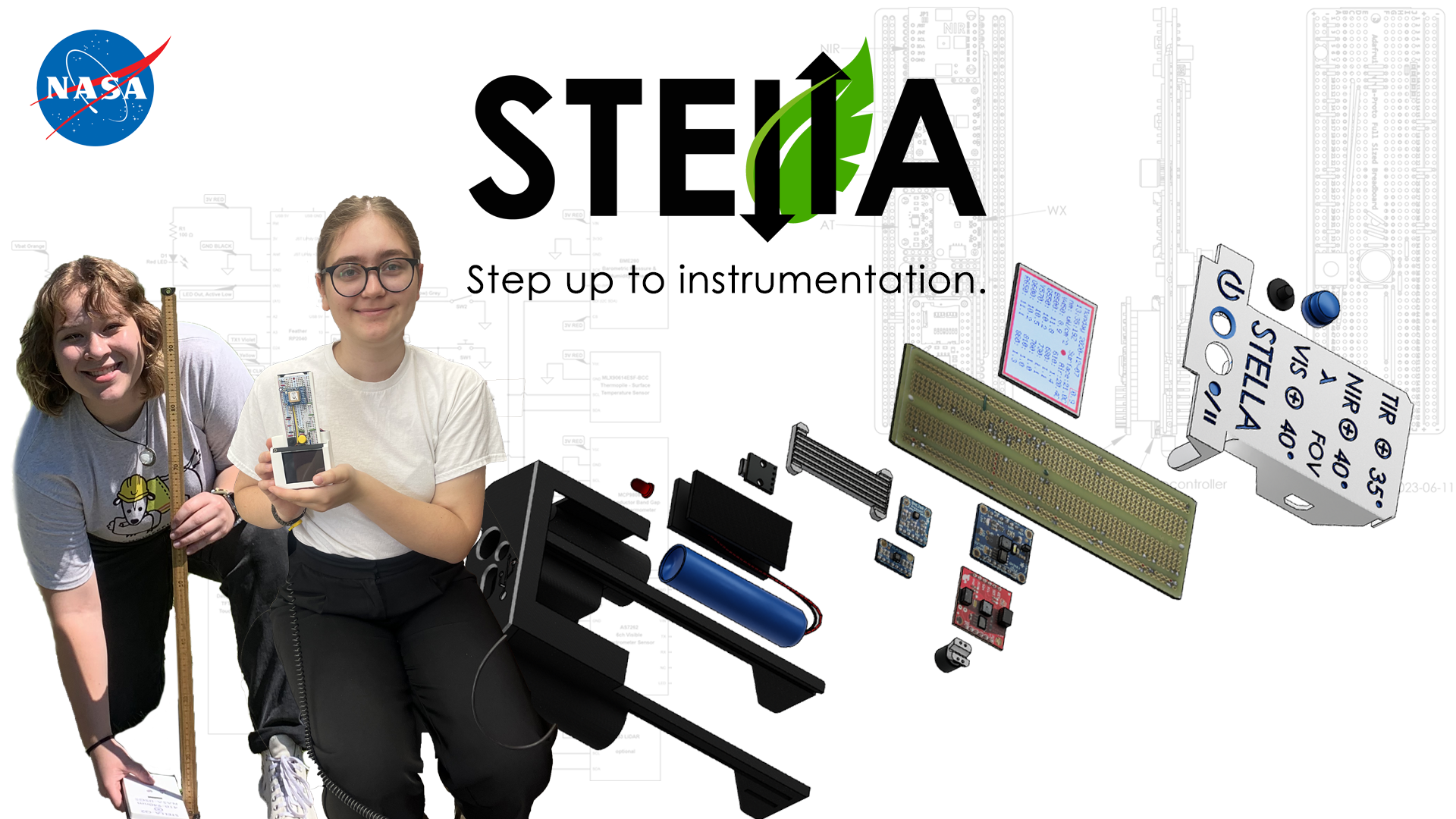
When Inna and Alexa first encountered NASA's STELLA instruments, neither expected the transformative journey ahead—from intimidation to innovation in just 10 weeks.
Students use Helio-STELLA to design lightweight radiation shields for Mars habitats, testing aluminum, water, and fabric barriers. Which materials block harmful UV while allowing light for plants to grow?
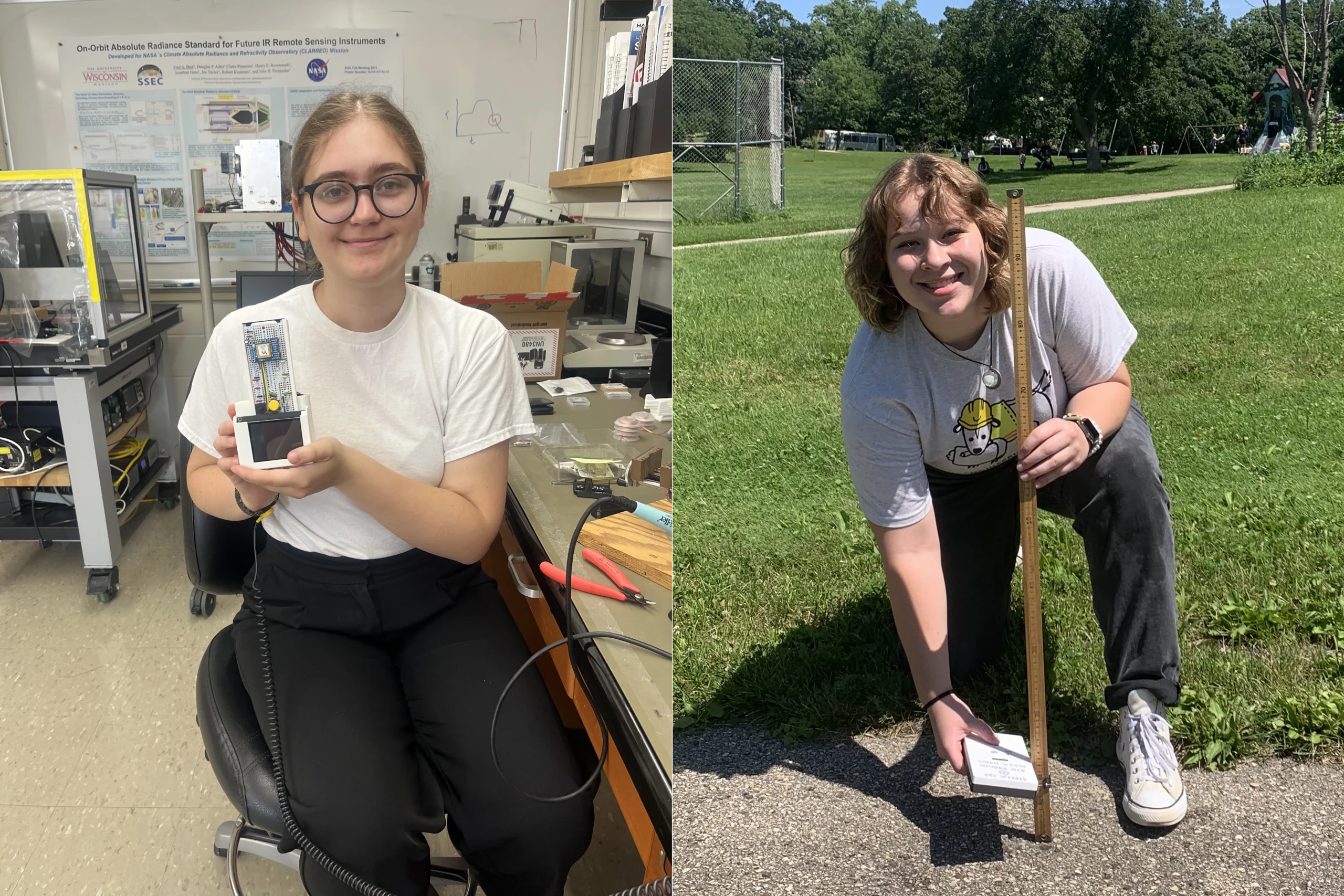
Inna Shapovalenko and Alexa Matson's collaborative journey with the STELLA project showcases how open-source engineering provides students with real-world skills through hardware design, software development, and community-driven innovation.
NASA scientists and engineers at Goddard Space Flight Center, led by Paul Mirel and Mike Taylor, have officially launched STELLA-1.2 (Science and Technology Education for Land/Life Assessment), a modular remote sensing platform that makes Earth observation science more approachable while building the next generation of mission-literate professionals.
Four high school students leveraged STELLA's accessible design, supportive community, and educational philosophy to build a sophisticated environmental monitoring platform.
Students use Helio-STELLA to design lightweight radiation shields for Mars habitats, testing aluminum, water, and fabric barriers. Which materials block harmful UV while allowing light for plants to grow?
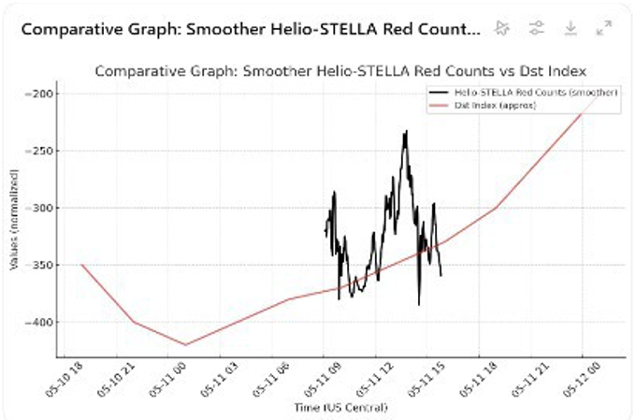
Dr. Gerald Knezek and Dr. Fred McMahan share their experiences developing and implementing Helio-STELLA, a low-cost solar monitoring device designed for educational settings.
Pat's extensive background in heliophysics and imaging spectrographs provided the perfect foundation for Helio-STELLA's development.
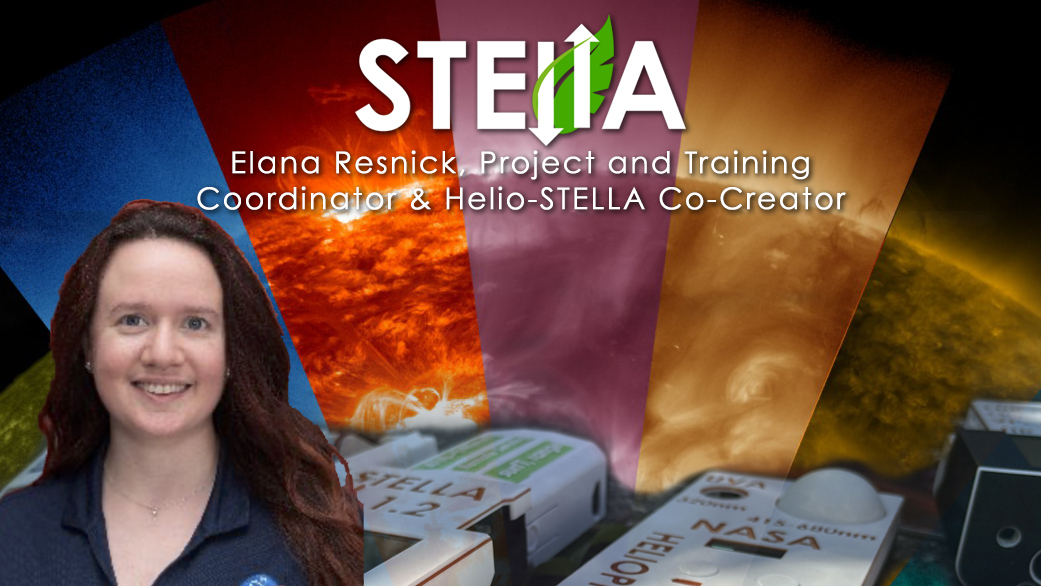
Elana Resnick brought something uniquely valuable to STELLA – the perspective of both a classroom teacher and university lecturer with deep expertise in physics, engineering, and robotics education.
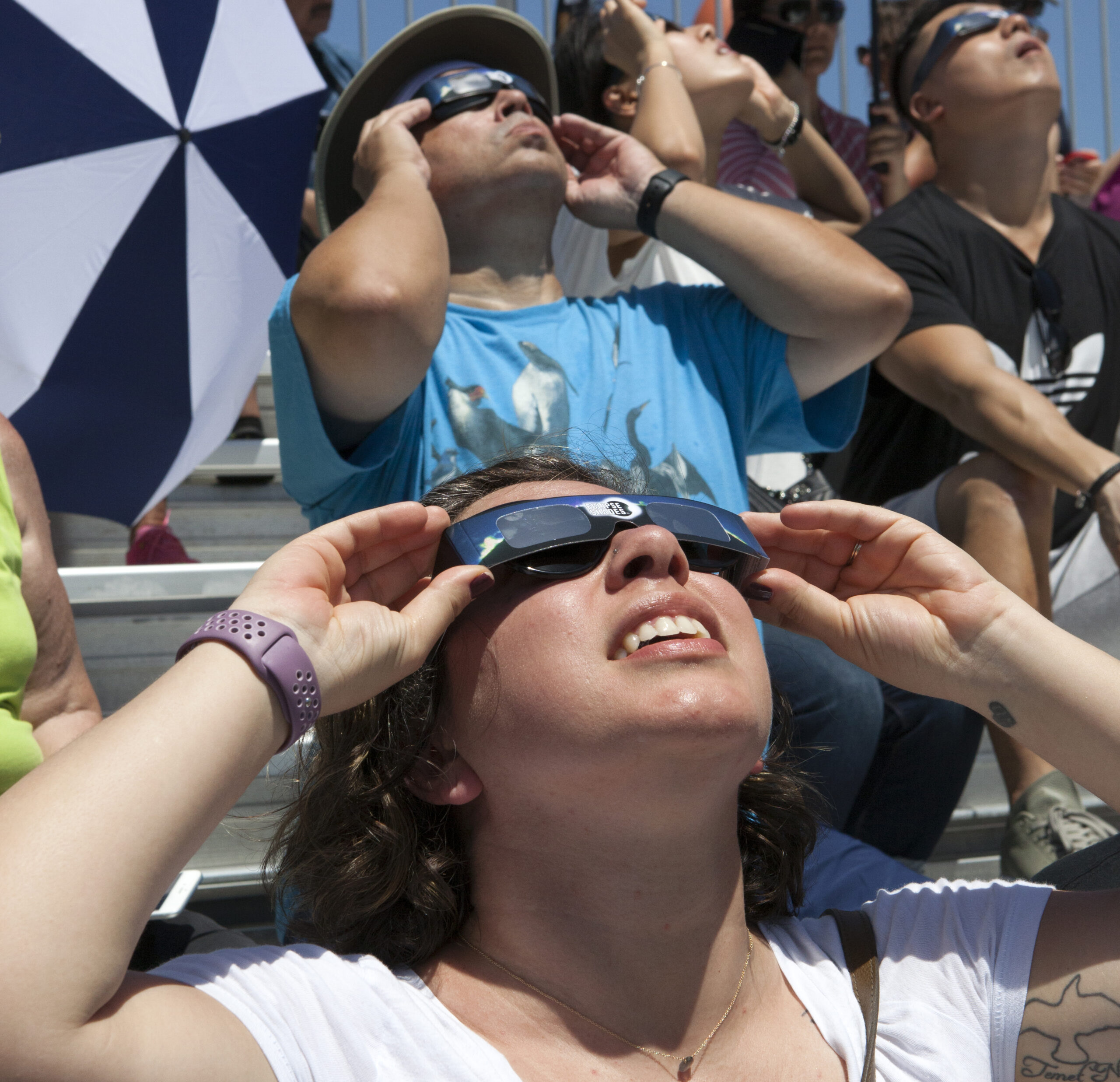
Use a STELLA instrument to assess how changing light levels during a solar eclipse affect spectral responses and temperature.
NASA scientists and engineers at Goddard Space Flight Center, led by Paul Mirel and Mike Taylor, have officially launched STELLA-1.2 (Science and Technology Education for Land/Life Assessment), a modular remote sensing platform that makes Earth observation science more approachable while building the next generation of mission-literate professionals.
Students test common houseplants as space life-support systems using STELLA-Q2 sensors to measure CO2 consumption. With safe, affordable materials, they determine which plants produce the most oxygen for future Mars habitats.